Podiatry in La Laguna, full and advanced.
Your podiatrist in La Laguna, ten minutes from Santa Cruz de Tenerife. We look after your feet with a complete approach: from routine foot care and general podiatry to nail surgery, diagnostic imaging and personalised biomechanical solutions.

Who will be treating you
Two decades of clinical experience and the most recent training in podiatric orthotics, in one podiatry team in La Laguna. We examine you, we explain what you have and we treat you, with nobody in between.
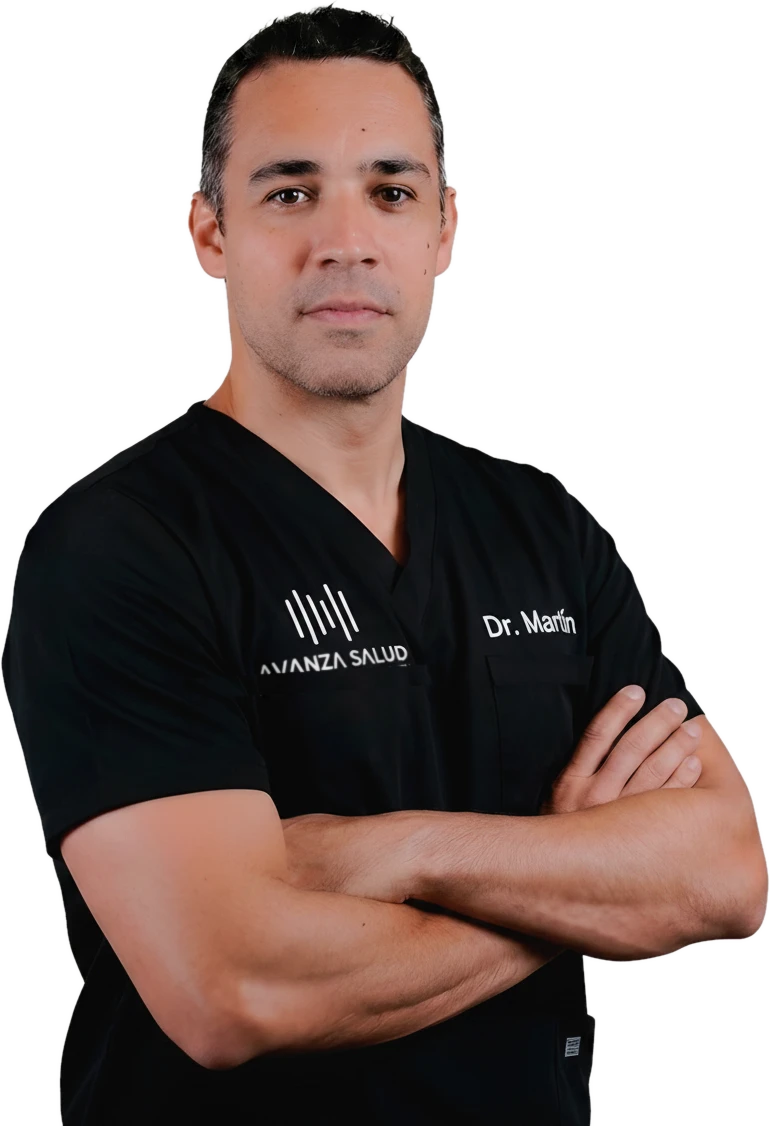
Eduardo Martín
Clinical director · Podiatrist and physiotherapist
"Two decades looking after the health of every step."
Founder of Avanza Salud, with more than 20 years of clinical experience. Podiatrist and physiotherapist, PhD candidate in Health Sciences and university lecturer. He brings both views into the same treatment: from biomechanical gait assessment and Podonexus custom orthoses to nail surgery, ultrasound diagnosis and the at-risk foot.
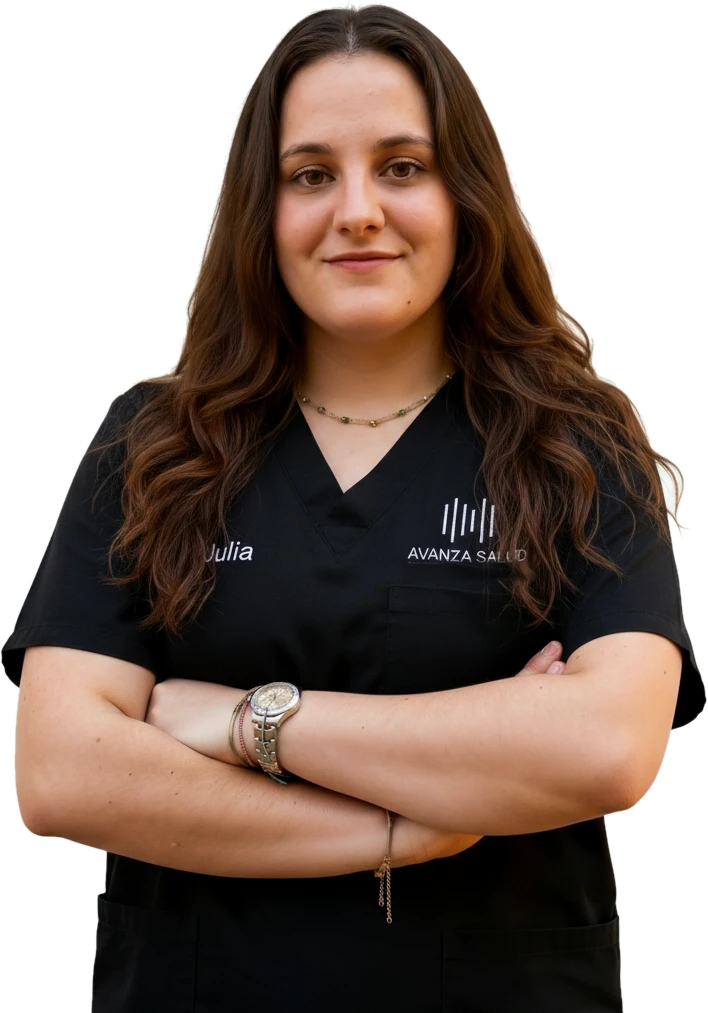
Julia Iranzo
Podiatrist · Orthoses and clinical podiatry
"Every foot is different, and so is its treatment."
Podiatrist, graduate of the Universitat de València, with a master's in applied podiatric orthotics and specialist training in foot injections (UCM). Clinical experience at the Fundació Lluís Alcanyís and in private podiatry practice. At Avanza Salud she focuses on routine foot care, foot assessment and follow-up, and orthotic treatment.
Biomechanical assessment and our orthoses
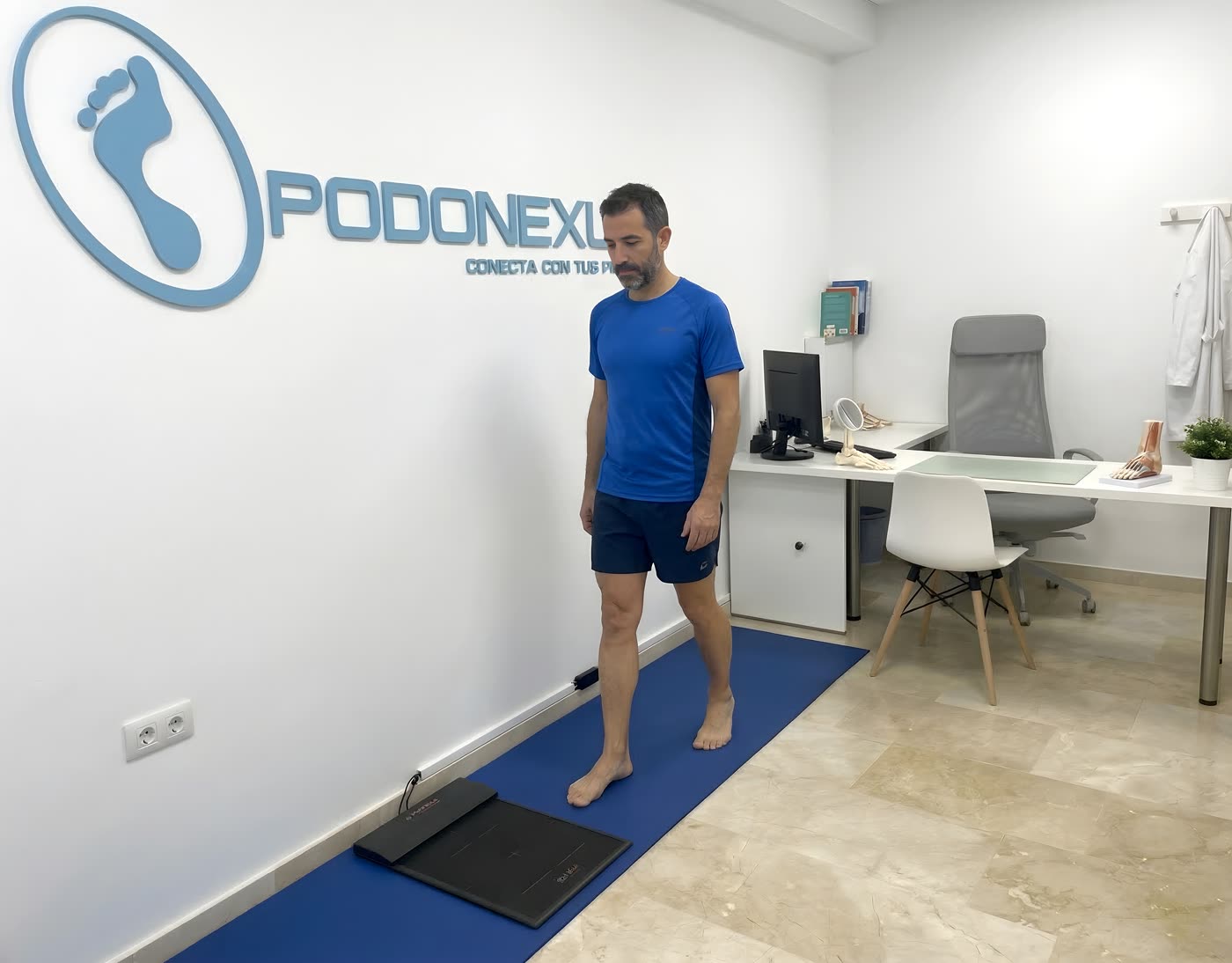
We assess how you walk, run and move so we can build a personalised solution that improves your performance and treats the pain at its source. The whole process, step by step, is on the gait analysis in La Laguna page.
Computerised gait analysis
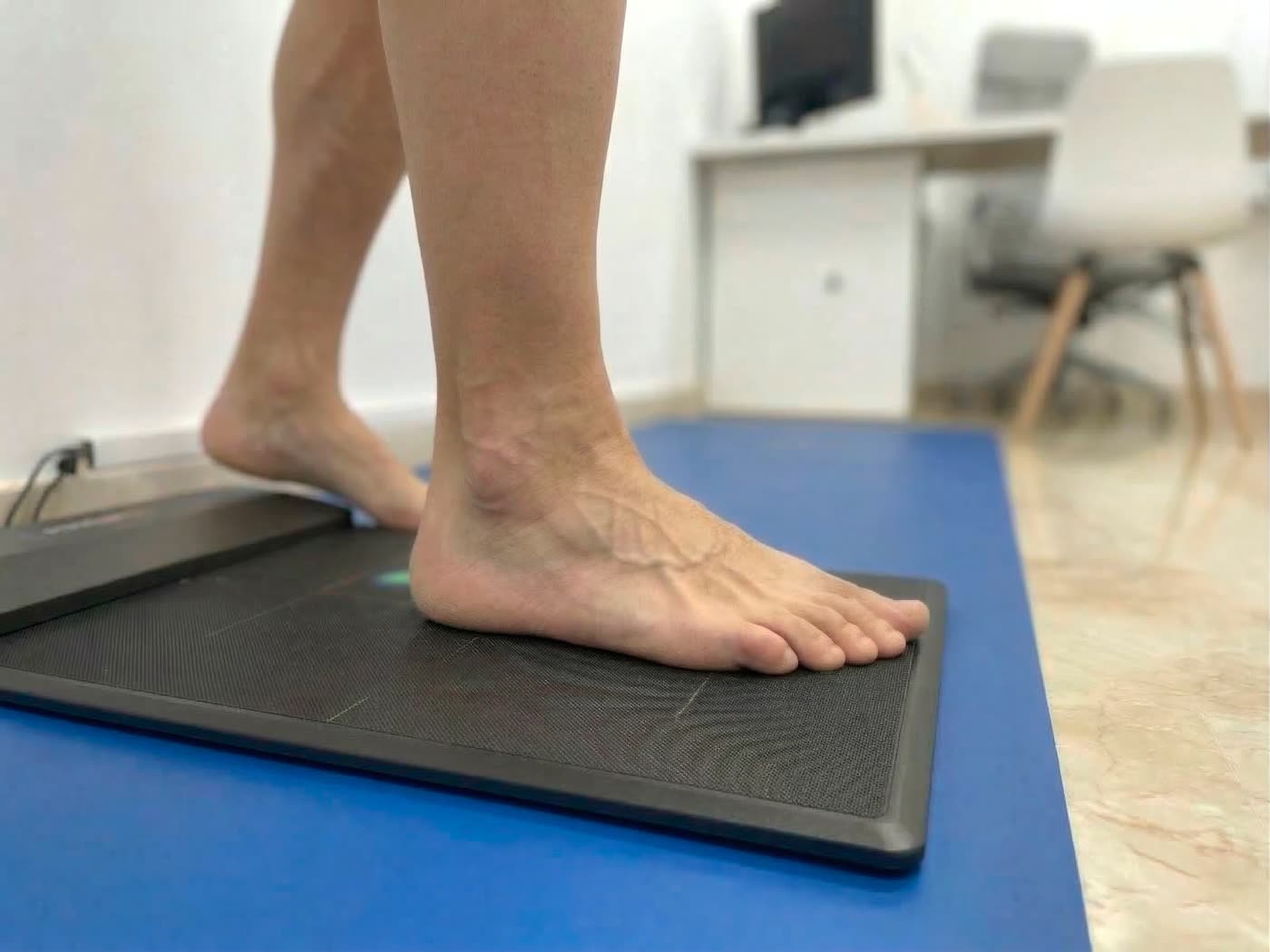
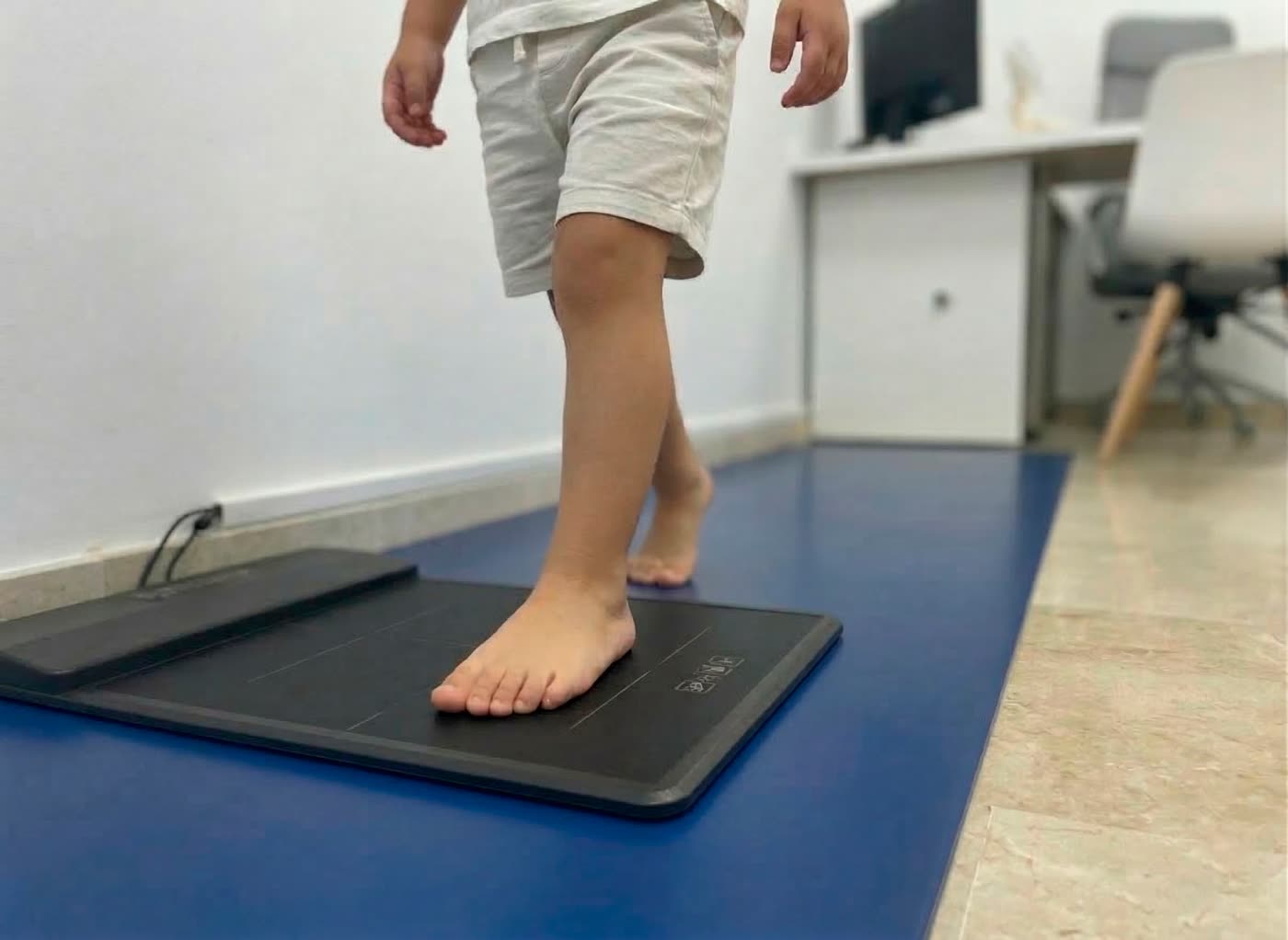
We use pressure platforms and high-speed video to capture, to the millimetre, how you distribute your weight when you walk and when you run. We pick up imbalances the human eye cannot see.
3D biomechanical assessment
Three-dimensional motion analysis lets us assess the full kinematics of the lower limb: ankle, knee, hip and lumbar spine. A poorly aligned foot can cause pain a long way further up.
Our custom orthoses
Our orthoses are built entirely around your anatomy, your activity and your goals. There is no standard device that suits everybody: every foot is unique and deserves its own solution.
Our Podonexus orthosis ranges
Nexus Comfort
For everyday use. Maximum comfort and gentle postural correction for people who spend many hours on their feet.
Nexus Sport
Designed for the athlete. They optimise energy transfer and reduce the risk of injury in running and impact sports.
Nexus Kids
Made for the growing child's foot. Early intervention to correct developmental problems before they become established.
Nexus Sensitive
For sensitive, diabetic or rheumatic feet. High-tolerance materials that protect and cushion without compressing.
0%
made in the Canary Islands
3–5 years
of expected life
100%
rigid materials
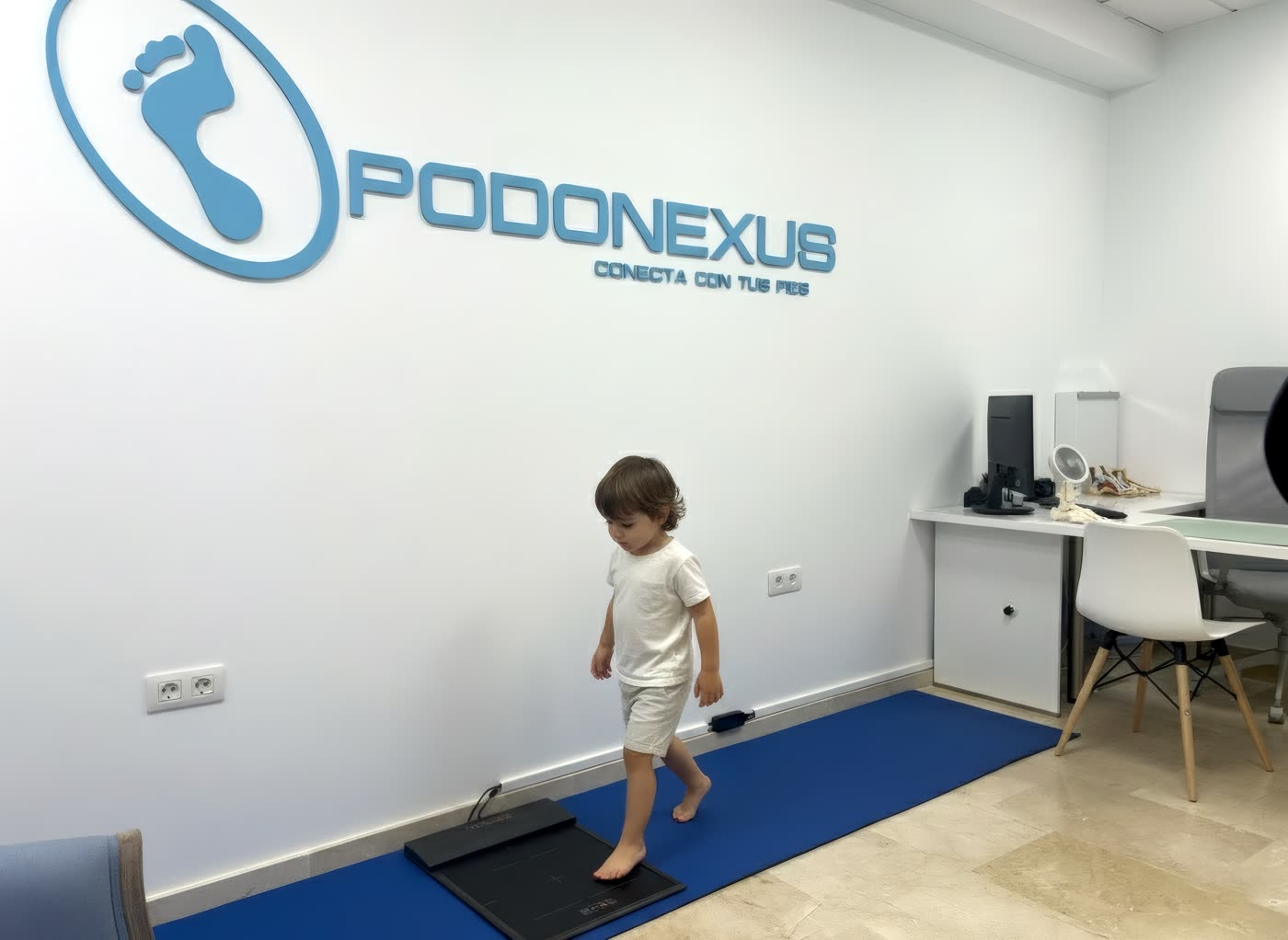
The Podonexus biomechanics walkway: real gait analysis in La Laguna
Routine foot care and general foot health
Routine foot care is the foundation of clinical podiatry. We treat skin and nail conditions of the foot safely and effectively: corns and callus, plantar hyperkeratosis, verrucae (plantar warts), fungal nail infection (onychomycosis), ingrown toenails (onychocryptosis) and nail problems of any kind.
Every session includes a full examination of the foot, to pick up problems that might otherwise go unnoticed. We use single-use sterile instruments and follow strict hygiene protocols to keep every patient safe.
Advanced diagnosis in the clinic
We have diagnostic imaging built into the clinic itself. A more precise diagnosis, in less time, with no trips elsewhere.
Digital radiography
We have digital radiography on site to study the bone structure of the foot and ankle. It is essential when diagnosing fractures, deformities such as hallux valgus (bunion), structural flat foot or high-arched foot, arthritis and so on. The images are immediate, high resolution and use minimal radiation.
Musculoskeletal ultrasound
Ultrasound lets us see tendons, ligaments, the plantar fascia, nerves and bursae in real time. It is the test of choice for plantar fasciitis, tendinopathy, Morton's neuroma, cysts and partial soft-tissue tears, with no radiation and an immediate result.
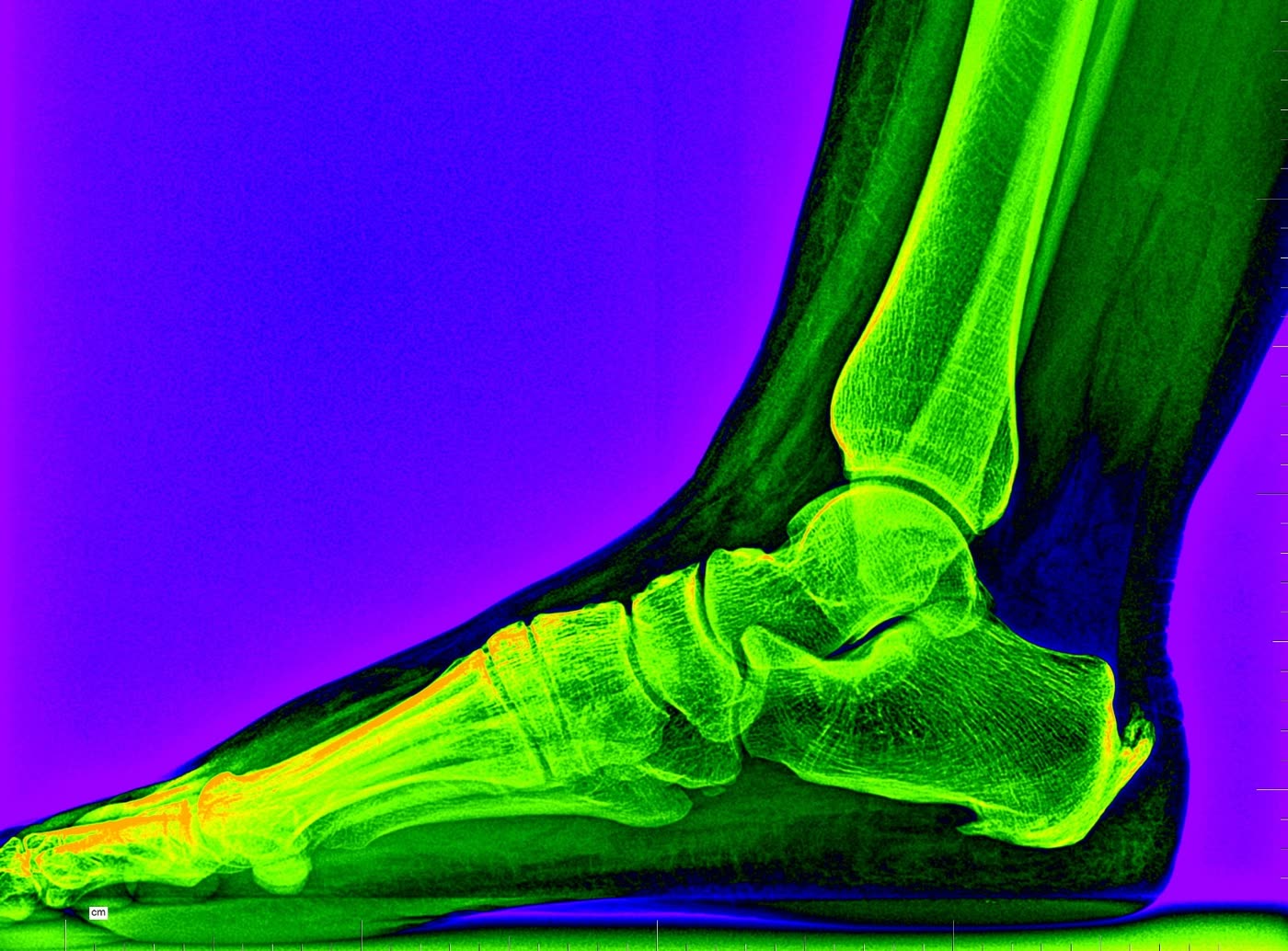
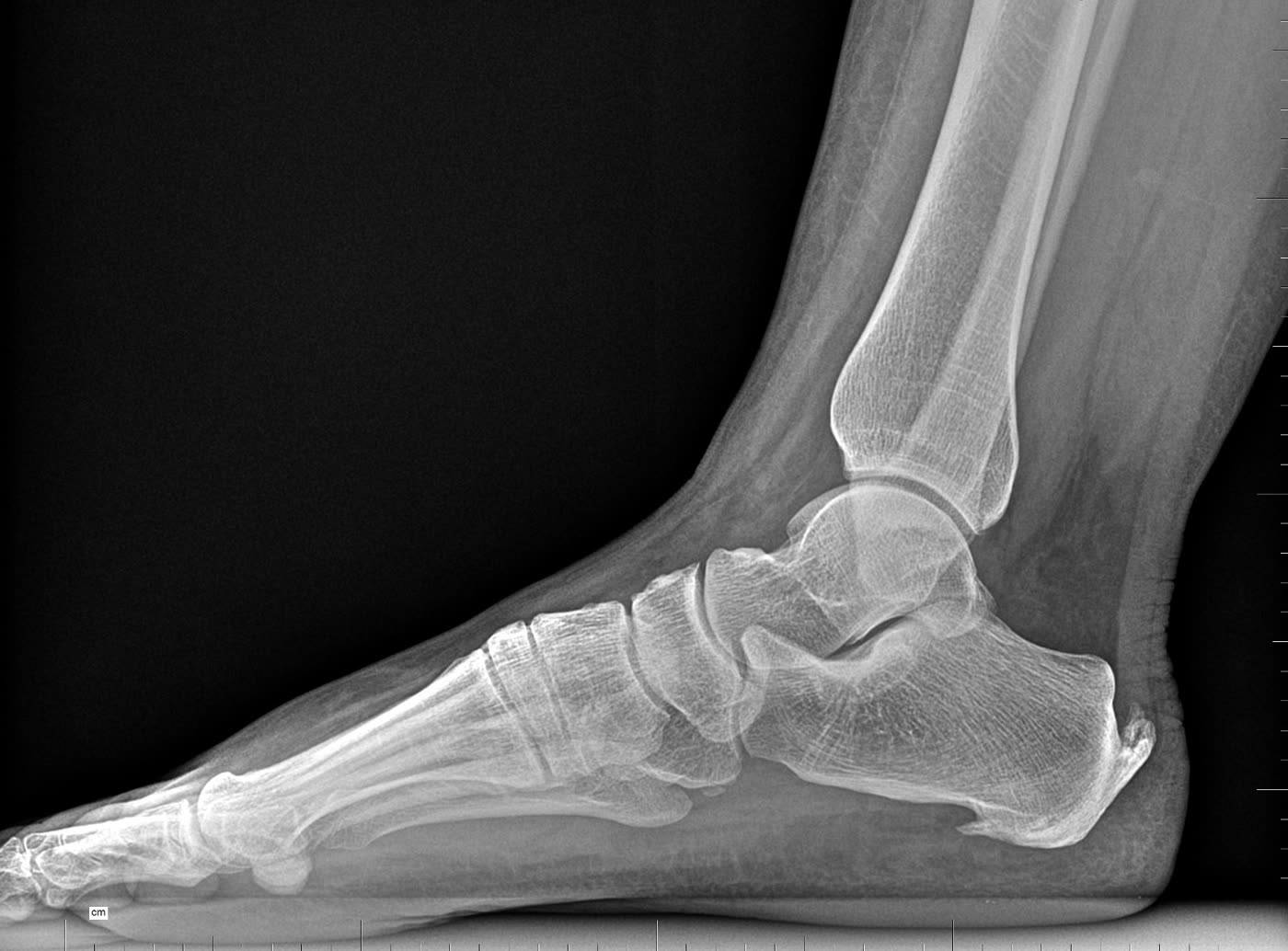
Drag to compare · Digital radiography in the clinic
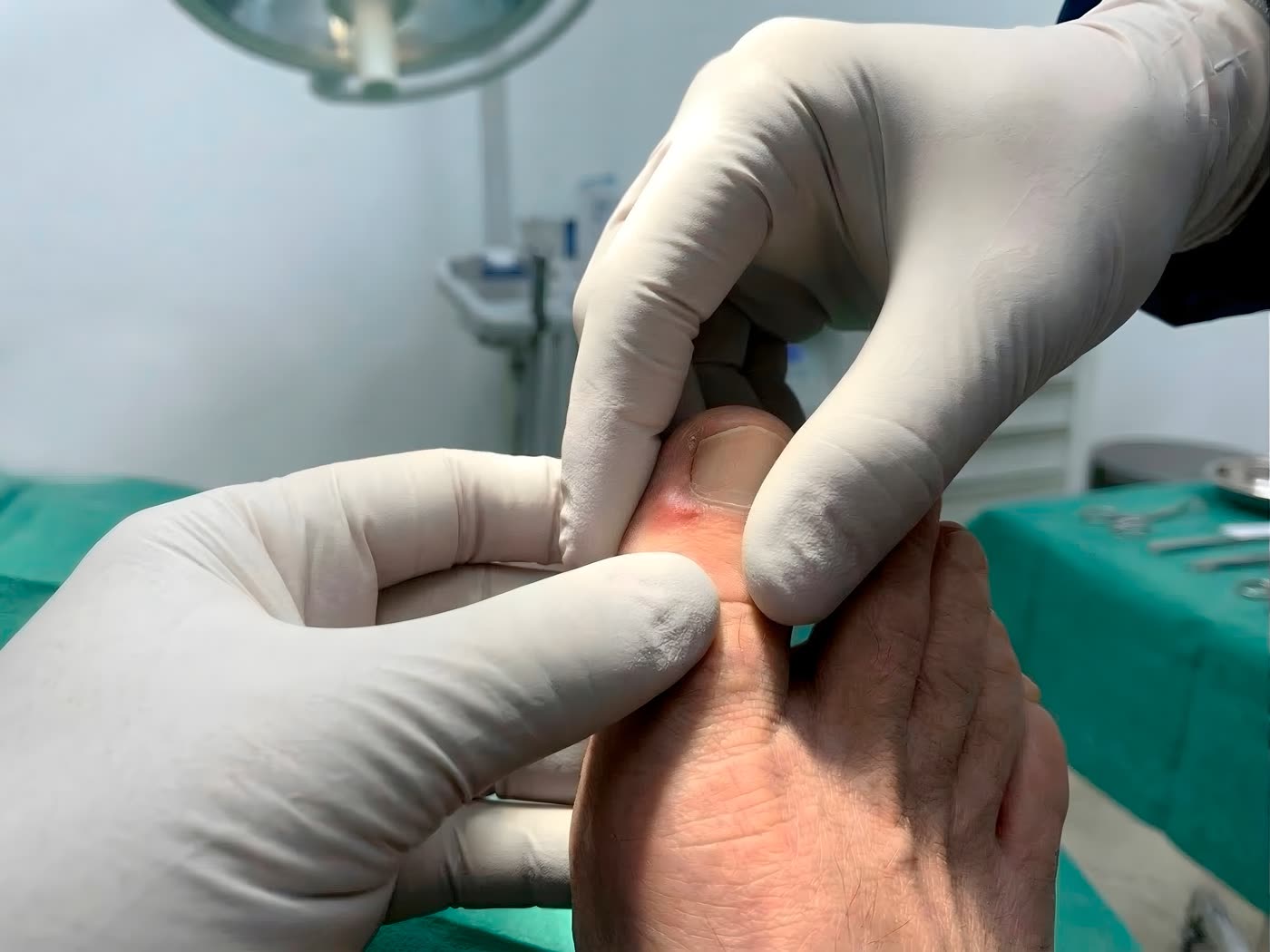
A permanent solution for the ingrown toenail
The ingrown toenail (onychocryptosis) is one of the most common and most painful nail conditions. At Avanza Salud we approach each case with the protocol that fits it: from conservative techniques to minor day-case nail surgery when the situation calls for it.
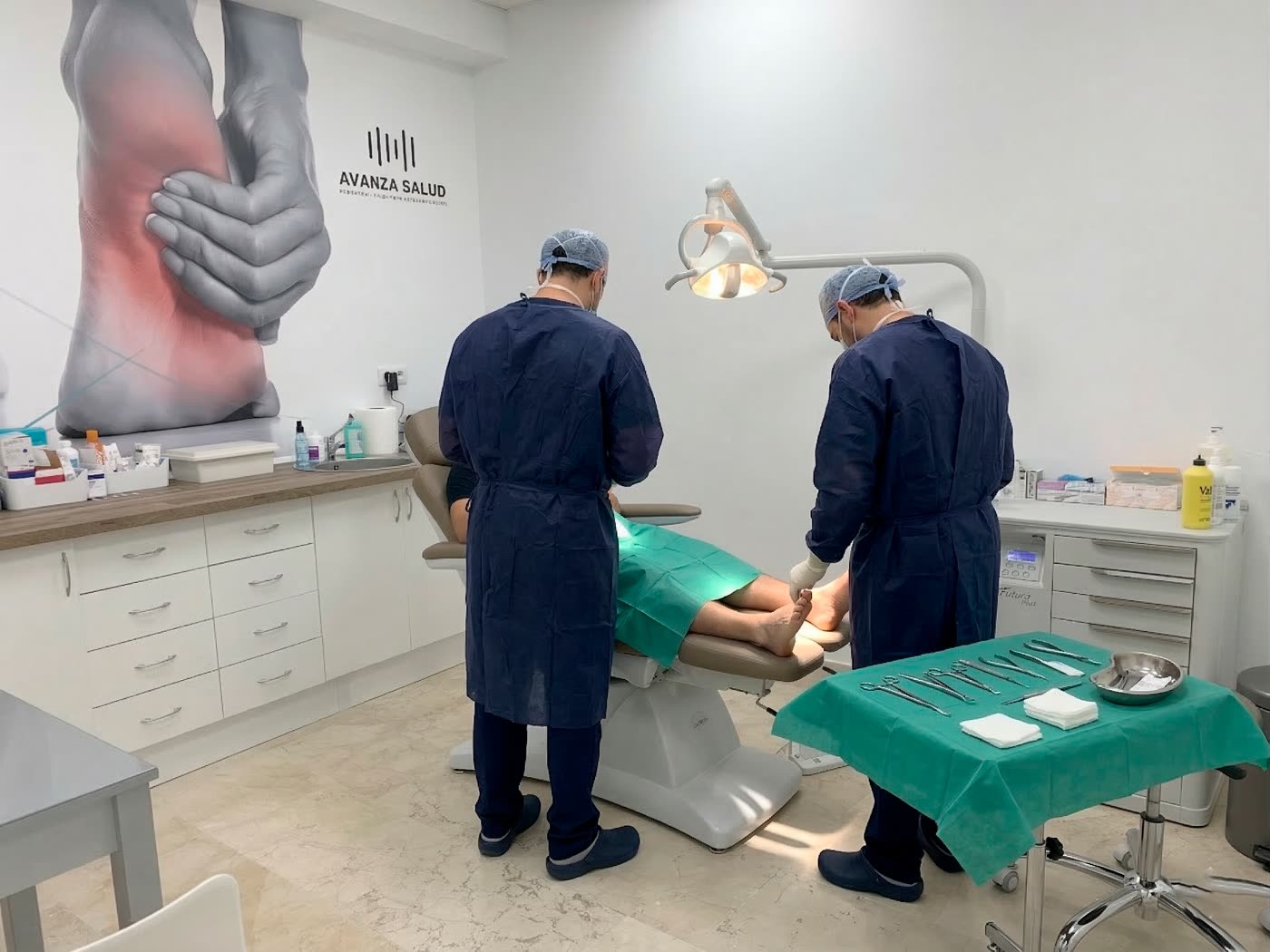
The procedure is carried out in the clinic, under local anaesthetic, and takes around 45 minutes on average. Using chemical matricectomy (phenolisation) or surgical matricectomy we remove the portion of nail causing the problem, with a high success rate. Healing usually takes 2 to 3 weeks.
0 min
Average duration
0%
Success rate
2-3 weeks
Recovery
Specialist diabetic foot care
The diabetic foot needs specialist podiatry care, and it needs it regularly. Routine monitoring can prevent serious complications and make a real difference to quality of life.
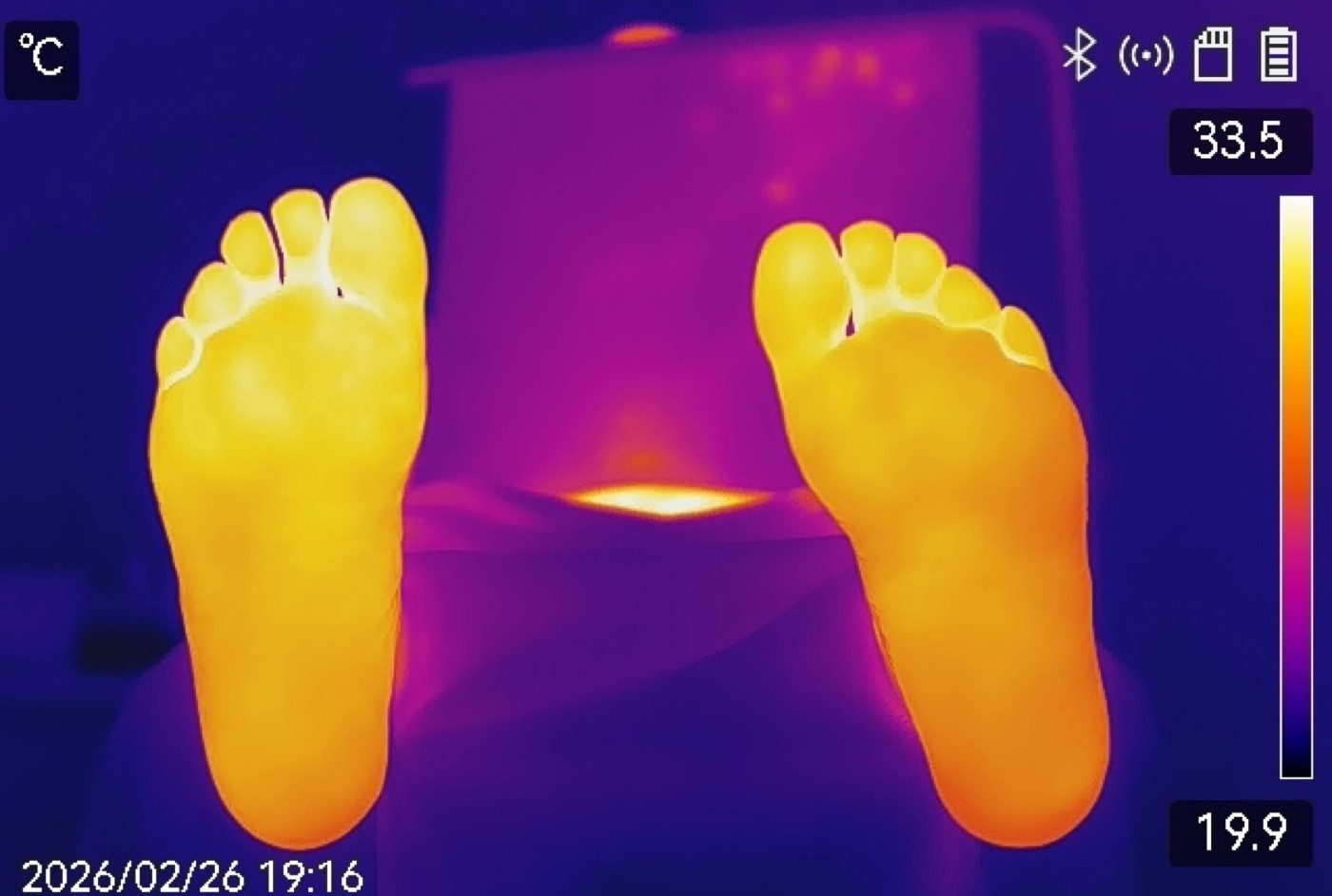
Infrared thermography
The thermal camera picks up temperature differences across the sole with precision. In the diabetic foot, thermal changes are one of the first signs of inflammation, poor blood supply or an area at risk of ulceration, weeks before anything visible appears. That lets us step in preventively, while there is still time to avoid an ulcer.
Vascular and neurological assessment
We carry out a full assessment of the circulation and the sensation in your foot with non-invasive tests: ankle-brachial pressure index (ABPI), Semmes-Weinstein monofilament, tuning fork and deep tendon reflexes. This lets us pick up peripheral neuropathy and arterial disease early.
Wound care and dressings
We treat ulcers, fissures, cracks and long-standing wounds of the diabetic foot with advanced moist wound healing, debridement and pressure offloading. We work alongside the patient's medical team to give the best possible outcome.
Regular preventive reviews
We set a review schedule matched to each patient's risk level (low, moderate, high or very high). Active prevention is the most effective tool there is for avoiding amputation and serious complications in the diabetic foot.
Patient education
We teach patients and their carers how to check and wash the foot properly, how to choose the right footwear and how to recognise the warning signs. Information is the best prevention.
Technology in the service of your recovery
We combine the latest therapeutic technology with the precision of ultrasound guidance, so we can offer treatments that are more effective and less invasive.
Diathermy (Indiβa / radiofrequency)
Radiofrequency diathermy generates deep heat in the tissues, activating the microcirculation, speeding up cell regeneration and reducing persistent inflammation. It is particularly useful in tendinopathy, fasciitis and degenerative conditions. The Indiβa system allows very precise work, modulating the temperature in real time.
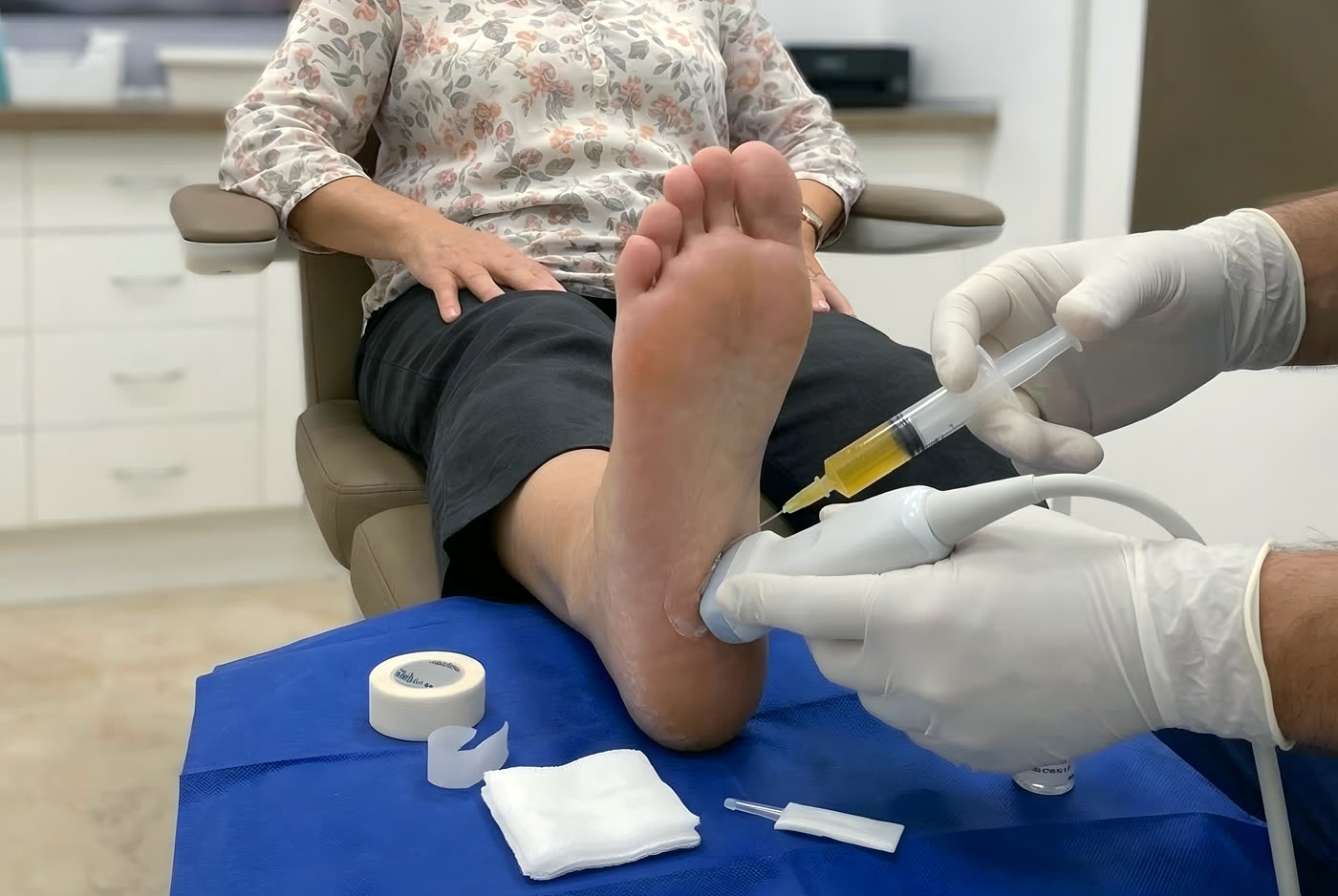
Ultrasound-guided injections
We give injections under real-time ultrasound control, which gives millimetre precision in locating the target tissue. That gets the most out of the treatment and keeps the risks down. Among other things we work with platelet-rich plasma (PRP), which stimulates tissue regeneration, and with hyaluronic acid, which improves joint lubrication and reduces pain.
Clinical application in plantar fasciitis: which treatments work according to the evidence (in Spanish)
AI applied to foot health
We use analysis tools assisted by artificial intelligence for biomechanical gait assessment, for spotting risk patterns and for planning treatment. Technology as an ally of clinical judgement, for decisions that are more precise and more personalised.
Ultrasound-guided PRP
Platelet-rich plasma uses the patient's own platelets to speed up the healing of damaged tissue. It is given under ultrasound control for maximum precision. Indicated in persistent tendinopathy, resistant fasciitis and ligament injuries. Natural, autologous and very well tolerated.
Ultrasound-guided hyaluronic acid
Intra-articular hyaluronic acid restores the viscoelastic properties of the synovial fluid, easing pain and improving movement. It is given under ultrasound to guarantee exact placement. Indicated in the ankle and the first metatarsophalangeal joint (arthritis, hallux rigidus).